Tokyo Travel Guide: Best Things to Do and Travel Tips
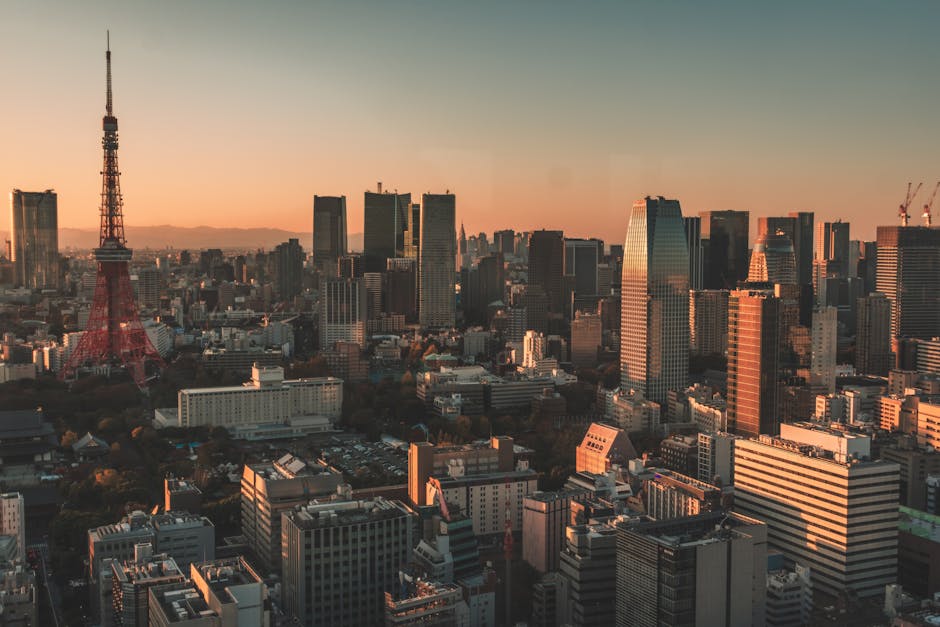
Tokyo blends centuries-old tradition with cutting-edge innovation, making it one of the world’s most captivating destinations. Whether you’re drawn to serene temples, bustling markets, or futuristic cityscapes, this Tokyo travel guide covers the essential experiences, practical advice, and insider tips to help you navigate Japan’s capital with confidence. From must-see neighborhoods to transportation hacks and cultural etiquette, you’ll find everything you need for a smooth and memorable trip.
Top Attractions in Tokyo
Tokyo offers a diverse range of attractions that cater to every interest. Start your journey in Asakusa, home to the iconic Senso-ji Temple, Tokyo’s oldest Buddhist temple. Walk through the Kaminarimon gate, browse traditional snacks at Nakamise-dori, and take in the peaceful atmosphere before the crowds arrive. Just a short train ride away, Ueno Park houses several major museums, including the Tokyo National Museum and Ueno Zoo, making it ideal for culture and nature lovers alike.
For a taste of modern Tokyo, head to Shibuya. The famous Shibuya Crossing—often called the busiest pedestrian intersection in the world—is a spectacle worth witnessing, especially at peak hours. Nearby, visit Hachiko Statue, explore Shibuya Sky for panoramic city views, or shop at 109 for the latest in Japanese fashion. Meanwhile, Harajuku offers a vibrant mix of youth culture, quirky boutiques, and street food like rainbow cotton candy and crepes.
Art and design enthusiasts should not miss teamLab Borderless in Odaiba (currently reopening in a new location), an immersive digital art museum that redefines interactive exhibitions. For a quieter experience, Meiji Shrine in Shibuya provides a tranquil escape surrounded by forest, just minutes from the city’s busiest districts.
Best Neighborhoods to Explore
Each Tokyo neighborhood has its own character. Ginza is Tokyo’s luxury shopping district, lined with high-end boutiques, department stores like Mitsukoshi, and Michelin-starred restaurants. It’s also a great place to catch a kabuki performance at the historic Kabukiza Theatre.
Roppongi is known for its nightlife and international vibe, with numerous bars, clubs, and the Mori Art Museum atop Roppongi Hills. Families and couples often visit Odaiba, a futuristic island in Tokyo Bay featuring attractions like the Gundam statue, shopping malls, and waterfront views of the Rainbow Bridge.
For a more local experience, wander through Yanaka, one of the few neighborhoods that survived World War II bombing. Its narrow alleys, old wooden houses, and cat-filled streets offer a glimpse of old Tokyo. Similarly, Kichijoji combines green spaces like Inokashira Park with indie cafes and vintage shops, making it a favorite among residents.
Tokyo Travel Tips: Getting Around
Tokyo’s public transportation system is one of the most efficient in the world. The JR Yamanote Line is your best friend—it loops through major hubs like Shinjuku, Shibuya, Harajuku, and Tokyo Station. Purchase a Suica or Pasmo rechargeable IC card at any train station for seamless travel on trains, subways, and buses. These cards also work at convenience stores and vending machines.
While taxis are clean and safe, they’re expensive. A short ride can cost over ¥1,500. Instead, use the subway, which runs from around 5:00 AM to midnight. Avoid rush hours (7:30–9:30 AM and 5:00–7:00 PM) if possible, as trains become extremely crowded.
Walking is also a great way to explore, especially in compact areas like Asakusa or Harajuku. Just be mindful of sidewalk etiquette: walk on the left, stand on the left side of escalators (right side in Osaka), and avoid eating while walking—it’s considered impolite.
Navigating Tokyo’s Train System
- Use Google Maps or Japan Transit Planner: These apps provide real-time schedules, platform numbers, and fare estimates.
- Learn basic station signs: Look for “改札” (kaisatsu) for ticket gates and “出口” (deguchi) for exits.
- Transfer between lines: Many stations connect multiple lines. Follow color-coded signs and arrows to avoid getting lost.
- Buy a Tokyo Metro Pass: If you plan to use the subway extensively, a 24-, 48-, or 72-hour pass (¥800–¥1,500) can save money.
Where to Eat in Tokyo
Tokyo is a food lover’s paradise, with more Michelin-starred restaurants than any other city. You don’t need a reservation or a high budget to enjoy incredible meals—some of the best experiences come from humble stalls and local eateries.
Start your day with a traditional Japanese breakfast at a kissaten (coffee shop) or hotel buffet, featuring miso soup, grilled fish, rice, and tamagoyaki (sweet omelet). For lunch, try ramen at Ichiran or Ippudo, or grab a bento box from a convenience store—yes, even 7-Eleven and Lawson offer surprisingly delicious and fresh options.
Don’t miss Tsukiji Outer Market, where you can sample fresh sushi, grilled scallops, and tamagoyaki. While the inner wholesale market moved to Toyosu, the outer market remains a bustling food destination. For a unique experience, book a sushi-making class or visit a robot restaurant in Shinjuku (though note it’s more entertainment than dining).
Vegetarians should look for shojin ryori
Tokyo on a Budget
Tokyo doesn’t have to be expensive. With smart choices, you can enjoy the city without overspending.
Accommodation: Stay in business hotels like Toyoko Inn or APA Hotel, which offer clean, compact rooms from ¥6,000–¥10,000 per night. Hostels and capsule hotels are even cheaper, starting around ¥3,000. Consider staying near a Yamanote Line station for easy access.
Food: Eat where locals eat. Gyudon (beef bowl) chains like Yoshinoya and Sukiya offer filling meals for under ¥500. Convenience stores sell onigiri (rice balls), sandwiches, and drinks for ¥100–¥300. Many museums and attractions offer discounted tickets for students or seniors—bring your passport for ID.
Free Activities: Enjoy free observation decks like the Tokyo Metropolitan Government Building in Shinjuku, visit parks like Yoyogi or Hibiya, and explore neighborhoods on foot. Many temples and shrines, including Meiji Shrine and Senso-ji, are free to enter.
Cultural Etiquette and Tips
Respecting local customs enhances your experience and shows appreciation for Japanese culture.
- Bowing: A slight bow is a common greeting. You don’t need to bow deeply—just nod your head slightly when meeting someone or saying thank you.
- Shoes off: Remove shoes when entering homes, temples, ryokans, and some restaurants. Look for a genkan (entryway) and switch to indoor slippers if provided.
- Quiet on public transport: Avoid talking loudly or taking phone calls on trains and buses. Keep voices low and set phones to silent.
- Trash disposal: Public trash bins are rare. Carry a small bag for wrappers and dispose of them at your hotel or convenience stores, which often have recycling stations.
- Tipping: Tipping is not customary and can be considered rude. Excellent service is expected and included in the price.
Learn a few basic Japanese phrases: “Arigatou gozaimasu” (thank you), “Sumimasen” (excuse me/sorry), and “Eigo no menyu wa arimasu ka?” (Do you have an English menu?). Most signage in major areas is in English, but knowing a few words goes a long way.
Seasonal Highlights in Tokyo
Tokyo’s seasons offer distinct experiences. Spring (March–May) is famous for cherry blossoms (sakura). Visit Ueno Park, Chidorigafuchi, or Meguro River for hanami (flower viewing) parties. Book accommodations early, as this is peak tourist season.
Summer (June–August) brings festivals like Sumida River Fireworks and Tanabata in Sendai. Stay cool by visiting indoor attractions or early morning markets. Be prepared for humidity and occasional typhoons.
Autumn (September–November) features stunning fall foliage in places like Rikugien Garden and Mount Takao. It’s also a great time for food, with seasonal specialties like matsutake mushrooms and sweet potatoes.
Winter</ (December–February) is mild but festive. Enjoy illuminations in Roppongi, Ginza, and Tokyo Midtown. New Year (Oshogatsu) is a major holiday—many businesses close, but temples like Meiji Shrine host large crowds for hatsumode (first shrine visit of the year).
Packing Essentials for Tokyo
Pack light but smart. Tokyo has excellent convenience stores, so you can buy toiletries, umbrellas, and even clothes if needed. Essentials include:
- Comfortable walking shoes (you’ll walk a lot)
- Portable Wi-Fi or SIM card (rent at the airport or order online)
- Power adapter (Japan uses Type A plugs, 100V)
- Reusable water bottle (tap water is safe to drink)
- Small backpack or tote bag (for shopping and daily use)
- Hand towel or handkerchief (many public restrooms don’t have paper towels)
Weather-appropriate clothing is key. Layers work best, especially in spring and autumn. In winter, a warm coat is necessary, but indoor heating is strong. Summer requires light, breathable fabrics and sunscreen.
Safety and Health in Tokyo
Tokyo is one of the safest cities in the world, with low crime rates and efficient emergency services. Still, take basic precautions:
- Keep your belongings secure in crowded areas like Shibuya and train stations.
- Use licensed taxis or ride-sharing apps like JapanTaxi.
- In case of emergency, dial 110 for police or 119 for ambulance/fire.
- Pharmacies (called “yakkyoku”) are widespread, but bring any prescription medications with a doctor’s note if possible.
- Tap water is safe to drink everywhere.
Japan has universal healthcare, but tourists should have travel insurance. Major hospitals like St. Luke’s International Hospital in Tsukiji have English-speaking staff.
Day Trips from Tokyo
If you have extra time, consider a day trip to nearby destinations:
- Nikko: A UNESCO World Heritage site with ornate shrines and natural beauty. Take the Tobu Railway from Asakusa (2 hours).
- Kamakura: Known for the Great Buddha (Daibutsu) and coastal temples. Accessible via the JR Yokosuka Line (1 hour from Tokyo Station).
- Hakone: Famous for hot springs (onsen), views of Mount Fuji, and the Hakone Loop. Use the Romancecar train from Shinjuku.
- Yokohama: Japan’s second-largest city, with a Chinatown, seafront parks, and the Cup Noodles Museum. Just 30 minutes by train.
Final Thoughts
This Tokyo travel guide equips you with the knowledge to explore Japan’s dynamic capital with ease. From iconic landmarks and hidden neighborhoods to practical tips on transport, food, and etiquette, you’re ready to make the most of your visit. Tokyo rewards curiosity and respect—embrace the pace, savor the details, and let the city surprise you.
FAQ
What is the best time to visit Tokyo?
The best times are spring (March to May) for cherry blossoms and autumn (September to November) for mild weather and fall colors. Summer is hot and humid, while winter is cool but festive.
Do I need to speak Japanese to travel in Tokyo?
No. While Japanese is the primary language, major signs, menus, and transportation are often in English. Learning a few basic phrases helps, but most tourists get by without speaking Japanese.
Is Tokyo expensive for tourists?
Tokyo can be affordable with smart choices. Budget accommodations, convenience store meals, and free attractions help keep costs down. Mid-range travelers can expect to spend ¥8,000–¥15,000 per day.