
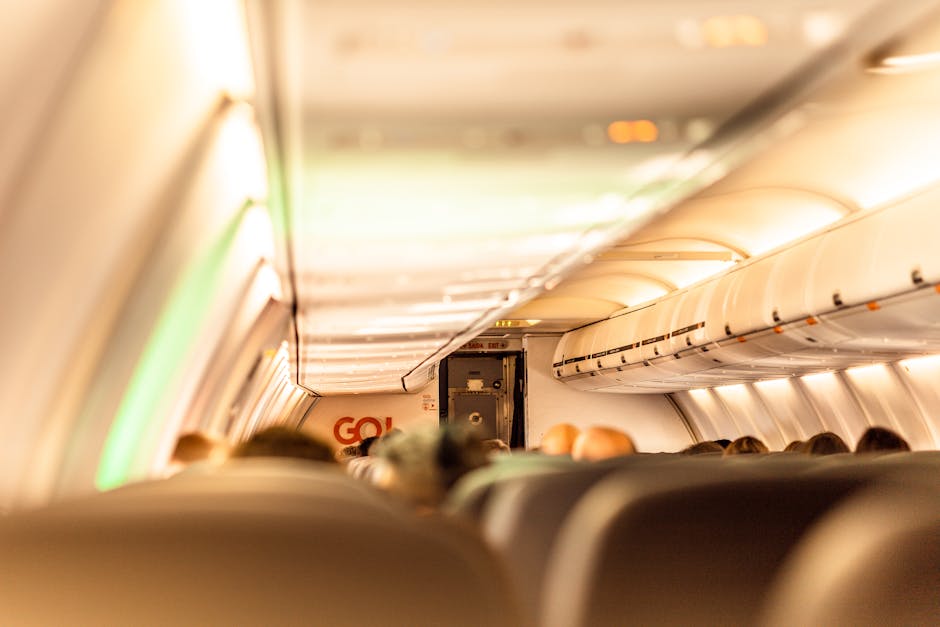
Best Travel Tips for Stress-Free Travel Experiences
Travel should be exciting, not exhausting. The best travel tips for stress-free travel experiences center on preparation, smart packing, and mindset. By planning ahead, staying organized, and anticipating common travel hiccups, you can reduce anxiety and enjoy smoother journeys—whether you’re heading across town or across the globe. This guide covers practical, actionable advice to help you travel with confidence and ease.
Plan Ahead to Avoid Last-Minute Chaos
One of the most effective ways to ensure a stress-free trip is to start planning early. Rushing through bookings, packing, or itinerary decisions often leads to oversights and frustration. Begin by setting a realistic timeline: for international trips, start at least six weeks in advance; for domestic travel, two to three weeks is usually sufficient.
Book Flights and Accommodations Strategically
Flight prices fluctuate, but booking too early or too late can cost you. Research shows that booking domestic flights 1–3 months in advance often yields the best prices, while international flights are typically cheapest 2–8 months out. Use fare comparison tools like Google Flights or Skyscanner to track price trends.
When choosing accommodations, prioritize location and reviews over luxury. Staying near public transit or major attractions saves time and transportation costs. Read recent guest reviews to avoid unpleasant surprises like noise, cleanliness issues, or poor customer service.
Create a Flexible Itinerary
A detailed itinerary helps, but over-scheduling can backfire. Allow buffer time between activities for rest, delays, or spontaneous discoveries. For example, instead of packing three museum visits into one day, schedule one and leave the afternoon open. This flexibility reduces pressure and makes room for authentic travel moments.
Pack Smart: Less Is More
Overpacking is a common source of travel stress. Heavy bags are harder to carry, increase the risk of lost luggage, and often result in unnecessary fees. The key is to pack only what you truly need.
Use the 3-3-3 Rule for Clothing
A simple method to avoid overpacking is the 3-3-3 rule: bring three tops, three bottoms, and three pairs of shoes that can be mixed and matched. Choose versatile, wrinkle-resistant fabrics in neutral colors. This approach works well for week-long trips and reduces decision fatigue each morning.
Roll, Don’t Fold
Rolling clothes instead of folding saves space and minimizes wrinkles. Use packing cubes to organize items by category—underwear in one, tops in another. This makes unpacking faster and helps you locate items without rummaging through your entire bag.
Carry Essentials in Your Personal Item
Always keep critical items in your personal bag: passport, boarding pass, medications, phone charger, and a change of clothes. If your checked luggage is delayed, you’ll still have the basics. A compact toiletry kit with travel-sized essentials ensures you’re prepared without exceeding liquid limits.
Stay Organized with Digital Tools
Modern travel is easier with the right apps and digital habits. Use technology to keep everything in one place and reduce mental clutter.
Use a Travel App for Itineraries
Apps like TripIt or Google Trips (now integrated into Google Travel) automatically organize your bookings—flights, hotels, rental cars, and reservations—into a single, easy-to-read itinerary. Share it with travel companions so everyone stays informed.
Download Offline Maps and Translations
Even with a data plan, connectivity can be spotty. Download offline maps of your destination using Google Maps or Maps.me. For international travel, install a translation app like Google Translate and download the language pack for offline use. This helps navigate unfamiliar areas and communicate basic needs.
Back Up Important Documents
Scan your passport, visa, travel insurance, and itinerary and store them in a secure cloud service like Google Drive or iCloud. Email copies to yourself and a trusted contact. If your documents are lost or stolen, you’ll have quick access to replacements.
Manage Travel Documents and Money Wisely
Lost or expired documents can derail a trip. Take steps to keep them secure and accessible.
Check Passport and Visa Requirements Early
Many countries require passports to be valid for at least six months beyond your travel dates. Check visa requirements based on your nationality and destination. Apply for visas well in advance—processing can take weeks or even months.
Use a Money Belt or Hidden Pouch
Carry cash and cards in a concealed money belt or neck pouch, especially in crowded areas or tourist hotspots. Avoid flashing large amounts of money. Use ATMs inside banks when possible, and notify your bank of your travel plans to prevent card blocks.
Carry Multiple Payment Methods
Relying on a single card is risky. Bring at least two credit or debit cards from different banks. Consider a travel-friendly card with no foreign transaction fees. Keep small bills in local currency for tips, markets, or places that don’t accept cards.
Prepare for Health and Safety
Feeling unwell or unsafe can quickly turn a dream trip into a nightmare. Prioritize health and security before and during your travels.
Get Necessary Vaccinations and Medications
Check CDC or WHO recommendations for your destination. Some countries require proof of vaccination (e.g., yellow fever). Pack a basic first-aid kit with pain relievers, antiseptic wipes, motion sickness pills, and any prescription medications in their original containers.
Purchase Travel Insurance
Travel insurance can cover trip cancellations, medical emergencies, lost luggage, and flight delays. Compare policies to find one that fits your needs. Read the fine print—some plans exclude pre-existing conditions or high-risk activities.
Know Local Emergency Numbers
Save the local emergency number (like 911 in the U.S., 112 in Europe) in your phone. Register with your country’s embassy or consulate if traveling abroad. They can assist in emergencies like lost passports or natural disasters.
Navigate Airports and Transit Smoothly
Airports can be overwhelming, but a few strategies make transit less stressful.
Arrive Early and Check In Online
For domestic flights, arrive two hours early; for international, three hours. Check in online 24 hours before departure to choose seats and avoid lines. Use mobile boarding passes when available.
Use TSA PreCheck or Global Entry
If you travel frequently, consider enrolling in TSA PreCheck (U.S.) or Global Entry (international). These programs expedite security and customs, saving time and reducing hassle. The application process requires an interview, so apply well in advance.
Stay Charged and Connected
Bring a portable charger and a universal power adapter. Many airports have charging stations, but they’re often crowded. Download entertainment—books, podcasts, movies—before your flight to avoid relying on in-flight Wi-Fi.
Stay Calm When Things Go Wrong
Even the best-laid plans can go awry. Delays, lost luggage, or missed connections happen. How you respond matters more than the problem itself.
Have a Backup Plan
If your flight is delayed, know your airline’s rebooking policy. Keep customer service numbers handy. For missed connections, ask gate agents for assistance—they can often rebook you on the next available flight.
Stay Calm and Polite
Airline and hotel staff are more likely to help passengers who remain calm and respectful. Yelling or demanding rarely speeds up resolutions. A polite request with a smile goes further.
Use Travel Apps for Real-Time Updates
Apps like FlightAware or your airline’s app provide real-time flight status, gate changes, and delay notifications. Enable push alerts to stay informed without constantly checking screens.
Enjoy the Journey, Not Just the Destination
Stress-free travel isn’t just about avoiding problems—it’s about cultivating a mindset that embraces the experience. Travel is unpredictable, and that’s part of the adventure.
Practice Mindfulness
Take a few minutes each day to breathe, observe your surroundings, and appreciate the moment. Whether you’re waiting at an airport or exploring a new city, mindfulness reduces anxiety and enhances enjoyment.
Disconnect to Reconnect
Limit screen time and social media. Constant checking can increase stress and distract from real experiences. Set specific times to check messages, and leave your phone in your bag during meals or walks.
Embrace the Unexpected
Missed a bus? Try a local café instead. Rain ruined your beach day? Visit a museum or indoor market. Some of the best travel memories come from unplanned moments.
Final Takeaways for Stress-Free Travel
The best travel tips for stress-free travel experiences boil down to preparation, simplicity, and adaptability. Start planning early, pack light, use digital tools, protect your documents and health, and stay calm when challenges arise. Travel is meant to enrich your life—don’t let stress overshadow the joy of discovery.
FAQ
How far in advance should I book my trip to get the best deals?
For domestic flights, book 1–3 months in advance. For international travel, aim for 2–8 months ahead. Use fare tracking tools to monitor price drops and set alerts.
What should I do if my luggage is lost?
Report it immediately at the airline’s baggage service office. Provide your baggage claim ticket and contact information. Most airlines deliver delayed luggage within 24–48 hours. Keep essentials in your carry-on to stay comfortable in the meantime.
Is travel insurance worth it?
Yes, especially for expensive trips, international travel, or destinations with limited healthcare. It can cover cancellations, medical emergencies, and lost items. Compare plans and read the terms carefully to ensure coverage matches your needs.
Related keywords: Best Travel Tips for Stress Free Travel Experiences.