Nature and Wildlife Travel Guide for First Time Travelers
Traveling into nature for the first time can be both thrilling and overwhelming. Whether you’re planning a safari in Kenya, a trek through Costa Rica’s rainforests, or a quiet hike in the Canadian Rockies, this nature and wildlife travel guide for first time travelers offers practical advice to help you prepare, stay safe, and make the most of your adventure. You’ll learn how to choose destinations, pack wisely, respect wildlife, and minimize your environmental impact—all while enjoying unforgettable encounters with the natural world.
Why Choose Nature and Wildlife Travel as a First-Time Adventurer?
Nature and wildlife travel offers a unique blend of education, relaxation, and excitement. Unlike urban tourism, these experiences immerse you in ecosystems teeming with life, from towering trees and rushing rivers to elusive animals and vibrant bird species. For first-time travelers, such trips provide a meaningful way to disconnect from daily routines and reconnect with the planet.
These journeys also foster personal growth. Navigating trails, observing animals in their habitats, and adapting to unpredictable weather build confidence and resilience. Plus, many nature-based destinations prioritize conservation and community engagement, allowing travelers to contribute positively simply by visiting responsibly.
Choosing Your First Nature Destination
Not all wilderness areas are suited for beginners. When selecting your first destination, consider accessibility, safety, infrastructure, and the type of wildlife you hope to see.
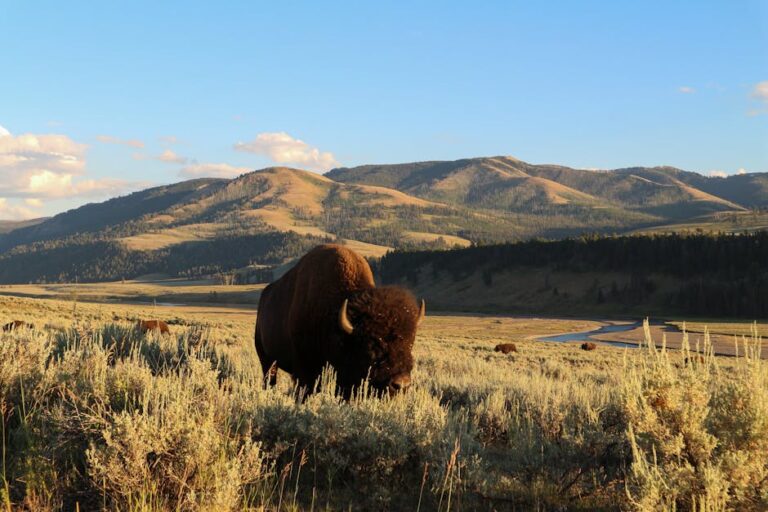
- National Parks with Established Trails: Places like Yellowstone (USA), Banff (Canada), or Kruger National Park (South Africa) offer well-marked paths, visitor centers, and guided tours—ideal for newcomers.
- Guided Eco-Lodges: Resorts in Costa Rica, Tanzania, or Borneo often provide structured programs with expert naturalists, reducing the need for independent planning.
- Beginner-Friendly Wildlife Safaris: Opt for group tours in regions like the Maasai Mara or Serengeti, where guides are trained to handle first-time visitors and ensure safety around animals.
Avoid remote or politically unstable regions on your first trip. Instead, prioritize destinations with reliable transportation, medical facilities, and clear communication options.
Top Beginner-Friendly Nature Destinations
| Destination | Best For | Travel Difficulty |
|---|---|---|
| Yellowstone National Park, USA | Geysers, bison, wolves, bears | Easy |
| Monteverde Cloud Forest, Costa Rica | Birdwatching, canopy tours, frogs | Moderate |
| Ranthambore National Park, India | Tiger sightings, jungle safaris | Moderate |
| Galápagos Islands, Ecuador | Unique wildlife, snorkeling | Moderate (requires flights) |
Essential Gear and Packing Tips
Packing smart is crucial. Overpacking can slow you down, while underpacking may leave you unprepared for weather changes or emergencies.
Clothing and Footwear
- Layered Clothing: Weather in natural areas can shift quickly. Pack moisture-wicking base layers, insulating mid-layers (like fleece), and a waterproof outer shell.
- Sturdy Footwear: Invest in broken-in hiking boots with ankle support. Avoid new shoes that may cause blisters.
- Hat and Sunglasses: Protect yourself from sun exposure, especially at high altitudes or near water.
Gear and Accessories
- Daypack: A 20–30 liter pack with padded straps and a waist belt distributes weight comfortably.
- Binoculars: Essential for wildlife viewing without disturbing animals.
- Reusable Water Bottle and Filter: Stay hydrated and reduce plastic waste. In remote areas, a portable filter like LifeStraw ensures safe drinking water.
- Headlamp or Flashlight: Useful for early morning starts or navigating campsites after dark.
Avoid bringing unnecessary electronics. A simple camera with a zoom lens is often better than a smartphone for wildlife photography.
Staying Safe Around Wildlife
One of the most important aspects of nature and wildlife travel is understanding how to coexist safely with animals. Most wildlife encounters are peaceful, but caution is essential.
General Safety Rules
- Keep Your Distance: Use binoculars or a zoom lens instead of approaching animals. The recommended distance varies by species—stay at least 25 meters from large mammals like bears or elephants.
- Never Feed Wildlife: Human food can harm animals and make them dependent on tourists. It also increases the risk of aggressive behavior.
- Stay on Marked Trails: Venturing off-path can damage fragile ecosystems and increase the chance of dangerous encounters.
- Make Noise in Bear Country: In areas with bears, talk or clap periodically to avoid surprising them.
What to Do in an Encounter
- Bears: Do not run. Back away slowly while speaking calmly. Carry bear spray and know how to use it.
- Big Cats (Lions, Tigers): Maintain eye contact, stand tall, and back away slowly. Never turn your back or run.
- Snakes: Step back carefully and give them space. Most snakebites occur when people try to handle or provoke them.
Always inform someone of your itinerary before heading out, especially if traveling alone.
Respecting Nature and Local Communities
Responsible travel ensures that natural areas remain healthy and accessible for future visitors. As a first-time traveler, your actions set the tone for your future adventures.
Leave No Trace Principles
- Plan ahead and prepare.
- Travel and camp on durable surfaces.
- Dispose of waste properly (pack out what you pack in).
- Leave what you find (don’t take rocks, plants, or artifacts).
- Minimize campfire impact (use a stove instead).
- Respect wildlife.
- Be considerate of other visitors.
These guidelines, promoted by outdoor organizations worldwide, help preserve ecosystems and reduce human impact.
Supporting Local Economies
Choose locally owned lodges, guides, and tour operators. This ensures your money benefits the community and encourages sustainable tourism practices. In places like Rwanda or Bhutan, tourism revenue directly funds conservation and anti-poaching efforts.
Planning Your Itinerary: Step-by-Step
A well-structured plan reduces stress and maximizes enjoyment. Follow these steps to design a successful first trip.
Step 1: Define Your Goals
Ask yourself: Do you want to see specific animals? Hike challenging trails? Photograph landscapes? Your goals will shape your destination and activities.
Step 2: Research Seasons and Weather
Wildlife behavior and accessibility vary by season. For example, the dry season in Africa (June–October) offers better game viewing, while monsoon seasons in Southeast Asia may limit trail access.
Step 3: Book Accommodations and Tours Early
Popular parks and eco-lodges fill up quickly, especially during peak seasons. Reserve at least 3–6 months in advance.
Step 4: Get Necessary Permits and Vaccinations
Some parks require entrance permits or advance registration. Check health advisories and get recommended vaccines (e.g., yellow fever for parts of Africa and South America).
Step 5: Prepare Physically
Even “easy” trails can be demanding. Start training a few weeks before your trip with walks, stair climbing, or light hikes to build stamina.
Common Mistakes First-Time Travelers Make
Awareness of common pitfalls can save you time, money, and frustration.
- Overestimating Abilities: Choose trails and activities that match your fitness level. Pushing too hard can lead to injury or exhaustion.
- Ignoring Local Customs: In many cultures, certain behaviors (like loud talking or photographing people without permission) are considered disrespectful.
- Poor Time Management: Wildlife is most active at dawn and dusk. Arriving late to a safari or hike may mean missing key sightings.
- Forgetting Travel Insurance: Nature trips carry inherent risks. A policy that covers medical evacuation, trip cancellation, and gear loss is essential.
Wildlife Photography Tips for Beginners
Capturing animals in their natural habitat is rewarding, but it requires patience and technique.
- Use a Telephoto Lens: A 70–300mm lens allows close-up shots without disturbing animals.
- Shoot During Golden Hours: Early morning and late afternoon light enhances colors and reduces harsh shadows.
- Be Still and Silent: Sudden movements or noises can scare animals away.
- Respect No-Photo Zones: Some sanctuaries prohibit photography to reduce stress on animals.
Remember: the goal is observation, not the perfect shot. Sometimes the best memories are the ones you don’t capture on camera.
Final Tips for a Successful First Trip
As you prepare for your journey, keep these takeaways in mind:
- Start small—choose a well-managed park or guided tour.
- Pack light but smart, focusing on essentials.
- Listen to your guide and follow safety protocols.
- Embrace the unexpected—weather changes, animal movements, and trail conditions are part of the adventure.
- Reflect on your experience and consider how you can travel more sustainably in the future.
With the right preparation, your first nature and wildlife travel experience can be safe, enriching, and deeply memorable.
FAQ
What should I do if I encounter a dangerous animal?
Stay calm, avoid sudden movements, and back away slowly. Never run. Use bear spray if available and appropriate. Always follow your guide’s instructions.
How much should I budget for a first-time nature trip?
Costs vary widely. A domestic trip to a U.S. national park may cost $500–$1,000 for a week, while an international safari can range from $2,000 to $5,000+. Include flights, lodging, permits, gear, and food in your budget.
Is it safe to travel alone as a first-time nature traveler?
It’s safer to join a guided group tour for your first trip. Guides provide expertise, safety, and local knowledge. Solo travel is possible with experience and thorough preparation.