Top Culinary Experiences for Food Travel Enthusiasts
For food travel enthusiasts, the journey isn’t just about seeing new places—it’s about tasting them. Exploring culinary travel experiences reveals important insights. The top culinary experiences for food travel enthusiasts go beyond restaurant menus to include hands-on cooking classes, local market tours, regional food festivals, and meals with home cooks. These immersive activities offer authentic flavors, cultural insights, and memorable stories that define a destination. Whether you’re savoring street food in Bangkok, learning pasta-making in Bologna, or joining a wine harvest in Tuscany, these experiences turn meals into meaningful travel moments. This guide highlights the most rewarding culinary adventures around the world, helping you plan a flavorful trip that satisfies both palate and curiosity.
Why Culinary Experiences Define Great Food Travel
Food is one of the most immediate and intimate ways to connect with a culture. While landmarks and museums tell part of a place’s story, cuisine reveals its daily rhythms, traditions, and values. For food travel enthusiasts, seeking out authentic culinary experiences means engaging all the senses—smelling sizzling spices in a Marrakech souk, watching a chef fillet fish in Tokyo’s Tsukiji market, or sharing a home-cooked meal with a family in Oaxaca.
These experiences often provide deeper context than dining at tourist-oriented restaurants. They encourage interaction with locals, expose travelers to seasonal and regional ingredients, and foster appreciation for the craft behind everyday dishes. Moreover, culinary tourism supports local economies, preserves traditional techniques, and promotes sustainable travel when done thoughtfully.
Types of Culinary Experiences Worth Seeking
Not all food-related travel activities are created equal. The best experiences are those that prioritize authenticity, education, and engagement. Below are the most valuable types of culinary adventures for serious food travelers.
Cooking Classes with Local Chefs
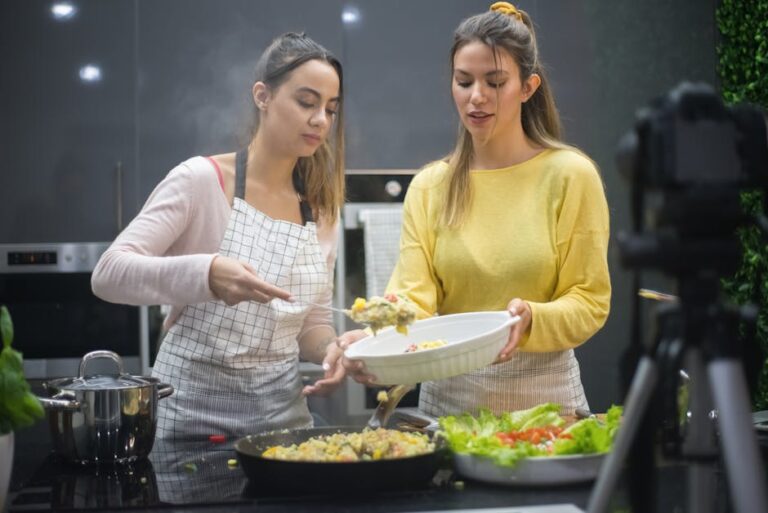
Hands-on cooking classes allow travelers to learn regional techniques and recipes directly from those who know them best. These sessions often begin with a market visit to select fresh ingredients, followed by instruction in a home kitchen or culinary school.
Example: In Chiang Mai, Thailand, many classes start with a guided tour of a local market where instructors explain the use of lemongrass, galangal, and kaffir lime leaves. Participants then prepare dishes like green curry and papaya salad, gaining skills they can recreate at home.
Look for classes that emphasize traditional methods over modern adaptations. Small group sizes and native-speaking instructors enhance the learning experience. Avoid overly commercialized programs that prioritize speed over substance.
Market Tours and Food Walks
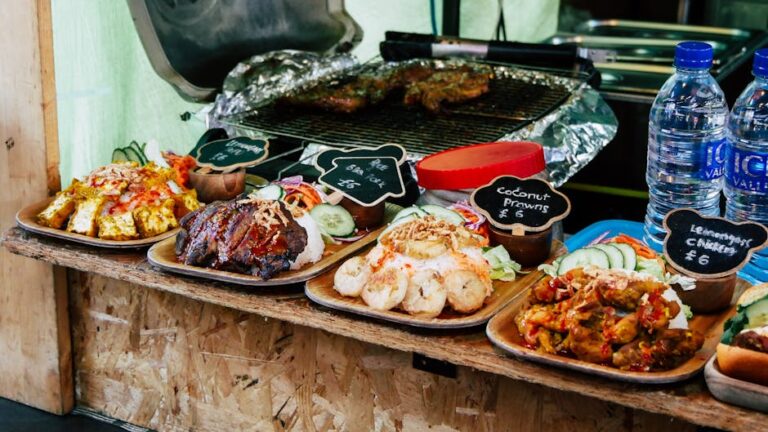
Guided food tours through local markets or neighborhood eateries offer a curated taste of a region’s cuisine. Knowledgeable guides explain the history and use of ingredients, introduce travelers to vendors, and provide context for each dish sampled.
Example: A food walk in Lisbon might include stops for bifana (pork sandwich), pastel de nata (custard tart), and ginjinha (sour cherry liqueur), all while exploring the historic Alfama district. These tours often reveal hidden gems that aren’t listed in guidebooks.
Choose tours led by locals or food historians rather than large tour operators. Smaller groups allow for more interaction and personalized recommendations. Always confirm dietary accommodations in advance.
Dining with Locals
Sharing a meal in a local’s home offers unparalleled insight into daily life and family traditions. These experiences range from casual dinner invitations to structured cultural exchanges.
Example: In Italy, platforms like EatWith connect travelers with home cooks in cities like Florence and Rome. Guests might enjoy handmade ravioli with a nonna who has been making the same recipe for decades, paired with stories of postwar food scarcity and regional pride.
Respect cultural norms during these meals—dress modestly, arrive on time, and express gratitude. These interactions are as much about connection as cuisine.
Food Festivals and Seasonal Events
Attending a local food festival allows travelers to sample a wide variety of dishes in a festive atmosphere. These events often celebrate harvests, religious traditions, or regional specialties.
Example: The Pizzafest in Naples draws thousands to sample Neapolitan pizza, judged by strict standards set by the Associazione Verace Pizza Napoletana. Similarly, the Oyster Festival in Galway showcases Ireland’s coastal bounty with live music and cooking demos.
Plan your trip around major festivals for maximum impact. Check dates and ticket requirements early, as some events sell out months in advance.
Farm-to-Table and Agricultural Experiences
For those interested in sourcing and sustainability, farm visits and agricultural tours provide a behind-the-scenes look at how food is grown and harvested.
Example: In California’s Napa Valley, visitors can tour organic vineyards, participate in grape stomping during harvest season, and enjoy multi-course meals featuring estate-grown produce. In Japan, tea plantation tours in Uji include tastings and lessons in the ceremonial preparation of matcha.
These experiences often include educational components about soil health, crop rotation, and traditional farming practices. They’re ideal for travelers who want to understand the full lifecycle of their food.
Top Destinations for Culinary Travel
While great food can be found almost anywhere, certain destinations stand out for their depth of culinary tradition, accessibility, and variety of experiences.
Italy: The Heart of Mediterranean Cuisine
Italy offers some of the world’s most iconic culinary experiences, from pasta-making in Emilia-Romagna to truffle hunting in Umbria. Each region has its own specialties—risotto in Milan, seafood in Sicily, and cured meats in Tuscany.
Recommended Experience: A multi-day culinary tour in Bologna, known as Italy’s food capital, includes visits to family-run salumerias, hands-on tortellini workshops, and dinners at historic osterias.
Travelers should note that meal times in Italy are later than in many countries—lunch is typically served from 12:30 to 2:30 PM, and dinner starts around 7:30 PM. Respecting local rhythms enhances the experience.
Japan: Precision and Tradition on a Plate
Japan’s culinary culture emphasizes seasonality, presentation, and technique. From sushi in Tokyo to kaiseki in Kyoto, the country offers a range of refined dining experiences.
Recommended Experience: A sushi-making class with a master chef in Tokyo, followed by a visit to the Toyosu Market to see the tuna auction. For a more rustic experience, stay in a ryokan in the Japanese Alps and enjoy a multi-course dinner featuring mountain vegetables and freshwater fish.
Etiquette is important—never stick chopsticks upright in rice, and avoid pouring your own drink during group meals. Learning basic phrases like “itadakimasu” (before eating) shows respect.
Mexico: Vibrant Flavors and Ancient Roots
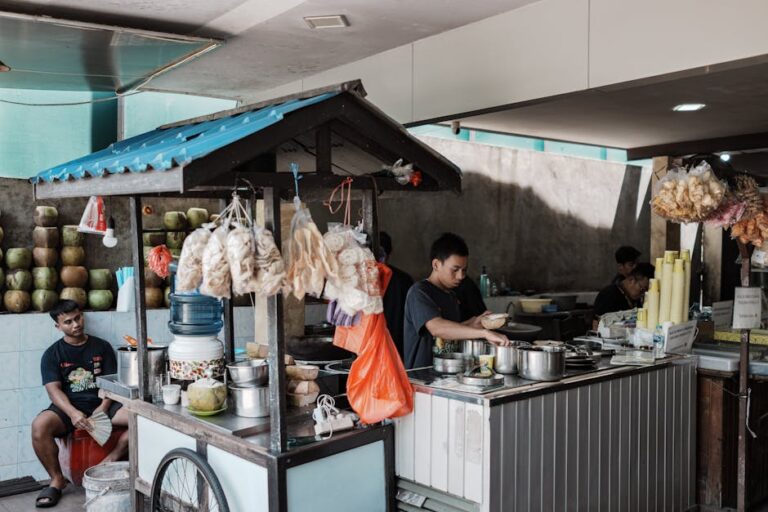
Mexican cuisine is deeply tied to indigenous traditions and local ingredients like corn, chili, and cacao. Street food is a cornerstone of the culinary experience.
Recommended Experience: A cooking class in Oaxaca, where participants learn to make mole negro from scratch using hand-ground spices and chocolate. A visit to a mezcal distillery in the nearby valleys adds depth to the experience.
Be cautious with street food—choose vendors with high turnover and clean preparation areas. Exploring culinary travel experiences reveals important insights. Stick to freshly cooked items and avoid raw vegetables unless you’re confident in the water source.
France: The Art of French Gastronomy
France is synonymous with fine dining, but its true culinary soul lies in regional specialties and bistro culture. From buttery croissants in Paris to bouillabaisse in Marseille, the country offers diverse flavors.
Recommended Experience: A cheese and wine pairing workshop in Bordeaux, where experts explain the nuances of terroir and affinage (aging). Pair this with a visit to a local fromagerie and a vineyard tour.
Reservations are essential at popular restaurants, especially in cities like Lyon and Paris. Lunch menus (formules) often offer better value than dinner.
Thailand: A Symphony of Sweet, Sour, Salty, and Spicy
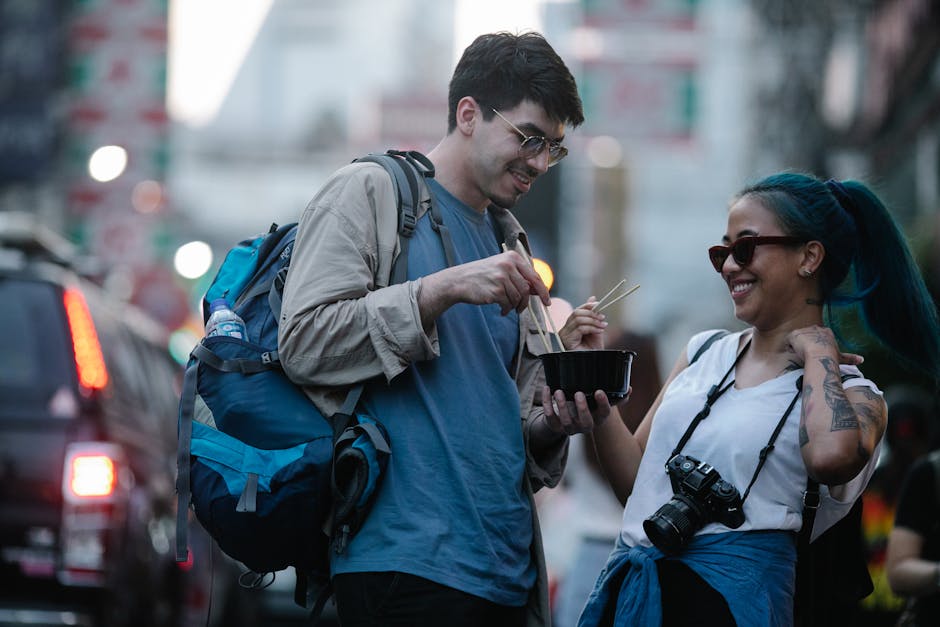
Thai food is beloved for its bold flavors and balance of elements. Street food is not only delicious but also deeply embedded in daily life.
Recommended Experience: A night food tour in Bangkok, sampling pad Thai, mango sticky rice, and tom yum goong from local vendors. For a hands-on approach, take a class in a floating market near Ayutthaya.
Spice levels can vary—always ask “pet meei?” (not spicy?) if you’re sensitive. Hydration and antacids are wise precautions.
How to Plan a Culinary-Focused Trip
Designing a trip around food requires research, flexibility, and cultural awareness. Follow these steps to maximize your experience.
1. Research Regional Specialties
Start by identifying the signature dishes and ingredients of your destination. Look for food blogs, travel guides, and local tourism websites. Understanding what makes a region’s cuisine unique helps you prioritize experiences.
For example, if visiting Spain, focus on tapas in Barcelona, paella in Valencia, and pintxos in San Sebastián. Each city has its own culinary identity.
2. Book Experiences in Advance
Popular cooking classes, food tours, and dining experiences often fill up quickly, especially during peak seasons. Reserve spots as early as possible, particularly for small-group or private sessions.
Check cancellation policies and read recent reviews to ensure quality. Avoid booking through third-party sites that take large commissions—direct bookings often include better service.
3. Pack Smart for Food Travel
Bring a reusable water bottle, hand sanitizer, and a small notebook to record recipes and vendor names. Comfortable shoes are essential for market walks and long meals.
If you have dietary restrictions, learn key phrases in the local language (e.g., “I am vegetarian” or “no nuts”). Carry a translation card if necessary.
4. Respect Local Customs
Dining etiquette varies widely. In India, eat with your right hand. In Ethiopia, share food from a communal plate. In China, leave a small amount of food on your plate to show satisfaction.
Observe how locals behave and follow their lead. When in doubt, ask politely.
5. Support Ethical and Sustainable Practices
Choose experiences that benefit local communities. Avoid tours that exploit workers or damage the environment. Look for certifications like Fair Trade or partnerships with local cooperatives.
For example, some coffee tours in Colombia include visits to smallholder farms where farmers explain sustainable growing methods and fair pricing.
Common Pitfalls to Avoid
Even seasoned travelers can make mistakes when pursuing culinary adventures. Being aware of common pitfalls helps ensure a smoother, more respectful journey.
Over-Scheduling
Trying to pack too many food experiences into one trip can lead to burnout. Allow time to digest—literally and figuratively. Balance structured activities with free time to explore on your own.
Ignoring Dietary Needs
While adventurous eating is part of the fun, don’t ignore allergies or medical conditions. Communicate clearly with hosts and chefs. Carry emergency medication if needed.
Disregarding Hygiene
Street food can be safe and delicious, but not all vendors maintain high standards. Look for clean surfaces, hot food, and high customer turnover. Avoid ice in drinks unless you’re sure it’s made from purified water.
Overlooking Language Barriers
Even with translation apps, miscommunication can occur. Learn a few basic food-related phrases. Carry a printed list of ingredients you avoid.
Final Thoughts: Making the Most of Your Food Journey
The top culinary experiences for food travel enthusiasts are those that combine flavor, culture, and connection. They invite you to slow down, engage with locals, and savor the stories behind every dish. Whether you’re kneading dough in a Roman kitchen or sipping rum in a Caribbean distillery, these moments become the highlights of your travels.
Remember, the goal isn’t to check off every Michelin-starred restaurant or food trend. It’s to deepen your understanding of a place through its cuisine. Approach each meal with curiosity and respect, and you’ll return home not just with photos, but with recipes, memories, and a richer perspective on the world.
FAQ
What should I look for in a good cooking class abroad?
Choose classes led by local chefs or home cooks, with small group sizes and hands-on instruction. Look for programs that include market visits and emphasize traditional techniques. Read recent reviews and confirm language options.
Is street food safe for travelers?
Street food can be safe and delicious when you choose vendors with high turnover, clean preparation areas, and freshly cooked items. Avoid raw vegetables and untreated water. When in doubt, observe what locals are eating.
How can I find authentic food experiences without a guide?
Talk to locals, visit neighborhood markets, and explore areas away from tourist centers. Use apps like Eatwith or Withlocals to find home dining experiences. Read local food blogs and follow regional tourism boards on social media.