Rome Travel Guide: Best Historical Sites and Travel Tips
Rome is a living museum where ancient history, Renaissance art, and modern life blend seamlessly. Exploring Rome historical sites reveals important insights. This Rome travel guide highlights the city’s most significant historical sites and offers practical advice to help you explore efficiently and respectfully. Whether you’re visiting the Colosseum, wandering through the Roman Forum, or marveling at Vatican treasures, knowing where to go, what to expect, and how to plan your days makes all the difference. With smart preparation, you can avoid crowds, save money, and gain deeper insight into one of the world’s most influential civilizations.
Top Historical Sites to Visit in Rome
Rome’s historical landmarks span over two millennia, offering visitors a front-row seat to the rise and legacy of the Roman Empire, the Catholic Church, and European art. Prioritizing these key sites ensures you experience the city’s cultural core without feeling overwhelmed.
The Colosseum and Roman Forum
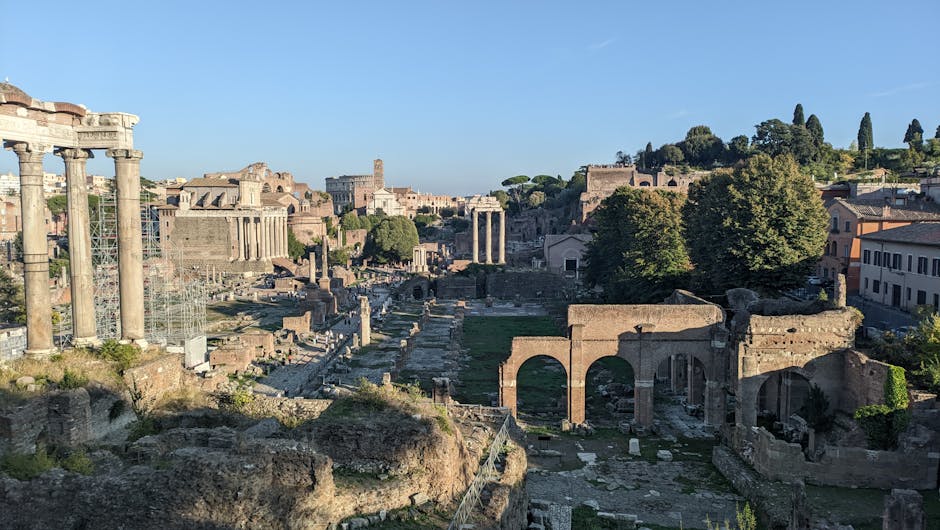
The Colosseum is Rome’s most iconic monument and a must-see for any visitor. Built in 80 AD, this amphitheater once hosted gladiatorial contests, public spectacles, and mock naval battles. It stands as a powerful symbol of ancient engineering and imperial power. Just a short walk away, the Roman Forum was the political, religious, and commercial heart of ancient Rome. Walking among its ruins—temples, basilicas, and triumphal arches—offers a vivid sense of daily life in antiquity.
To make the most of your visit, book a combined ticket online in advance. The standard ticket includes entry to both the Colosseum and the Roman Forum and is valid for two consecutive days. Opt for a guided tour if you want deeper context; audio guides are also available and cost-effective. Arrive early—lines form quickly, especially between 10 a.m. and 2 p.m.—and wear comfortable shoes, as the terrain is uneven and involves a fair amount of walking.
The Pantheon
The Pantheon is one of the best-preserved ancient buildings in the world. Originally built as a temple to all Roman gods, it now serves as a church and the burial site of notable figures like Renaissance artist Raphael. Its massive dome, with a central oculus open to the sky, remains an architectural marvel. The building’s engineering—especially the way the dome’s weight is distributed—continues to inspire architects today.
Entry is free, and the Pantheon is open daily, though hours may be shorter on Sundays and religious holidays. Visit in the morning for softer light and fewer crowds. Photography is allowed, but avoid using flash inside. Note that the floor is slightly domed to allow rainwater from the oculus to drain—a clever ancient solution still functional today.
The Vatican Museums and St. Peter’s Basilica
Home to one of the world’s greatest art collections, the Vatican Museums house masterpieces like Michelangelo’s Sistine Chapel ceiling and Raphael’s Stanze. The museums are vast, with over 50 galleries, so plan to spend at least half a day here. St. Peter’s Basilica, located in Vatican City, is the largest church in the world and a pinnacle of Renaissance architecture. Climb the dome for panoramic views of Rome.
Book skip-the-line tickets online to avoid long queues, which can exceed two hours in peak season. Dress modestly—shoulders and knees must be covered to enter religious sites. Audio guides or small-group tours enhance the experience, especially in the Sistine Chapel, where silence is required and time is limited. Consider visiting on a Wednesday morning when the Pope holds a public audience in St. Peter’s Square—free tickets are available but should be reserved in advance.
The Catacombs of Rome
For a more atmospheric and less crowded experience, visit the catacombs—underground burial tunnels used by early Christians and Jews. The Catacombs of San Callisto and San Sebastiano are among the most accessible and historically significant. These labyrinthine networks offer a sobering look at ancient burial practices and early Christian communities.
Access is only possible through guided tours, which are included in the admission fee. Tours last about 45 minutes and are conducted in multiple languages. Wear layers, as temperatures underground are cooler than at street level. Photography is generally not permitted inside the catacombs out of respect for the site’s sacred nature.
Trajan’s Market and Imperial Forums
Often overlooked by tourists, Trajan’s Market is considered the world’s oldest shopping mall. Built in the 2nd century AD, it housed shops, offices, and apartments. Located adjacent to the Imperial Forums—a series of public squares built by successive emperors—this area reveals the administrative and economic sophistication of ancient Rome.
Entry is included with the Colosseum ticket, but many visitors skip this section. Take time to explore the elevated walkways and imagine the bustling activity of Roman commerce. Informational panels and a small museum provide context, though a guidebook or app can enrich your understanding.
How to Get Around Rome
Rome’s historic center is compact and walkable, but public transportation is essential for reaching outlying sites like the Catacombs or Vatican City. The metro system has three lines (A, B, and C), with Line A connecting major stops like Termini Station, the Spanish Steps, and the Vatican. Buses and trams cover areas not served by the metro, but traffic can be heavy, especially during rush hours.
Buy a Roma Pass for unlimited public transport and free or discounted entry to museums and archaeological sites. The 48-hour pass costs €33 and the 72-hour pass €53 (as of 2024). Validate your ticket before each ride to avoid fines. Taxis are available but expensive; use official stands or apps like Free Now to avoid overcharging.
Walking is often the best way to explore central Rome. Cobblestone streets and narrow alleys make cars impractical in many areas. Wear supportive footwear and carry a map or use offline navigation apps like Google Maps or Maps.me. Be cautious of uneven pavement and motor scooters, which are common and fast-moving.
Best Time to Visit Rome
The ideal times to visit Rome are during the shoulder seasons—April to early June and September to October. During these months, the weather is pleasant, crowds are manageable, and prices are lower than in peak summer. July and August bring intense heat, long lines, and higher accommodation costs. Many locals leave the city in August, so some shops and restaurants may be closed.
Winter (November to February) is the least crowded and least expensive time to visit, though some outdoor sites may feel damp or chilly. Exploring Rome historical sites reveals important insights. The city hosts festive markets and events during December, including Christmas celebrations in Piazza Navona. Spring brings blooming flowers and outdoor café culture, making it especially appealing for leisurely exploration.
Where to Stay in Rome
Choosing the right neighborhood can significantly impact your experience. The historic center—including areas like Campo de’ Fiori, Piazza Navona, and the Pantheon—offers proximity to major sites and vibrant nightlife. It’s ideal for first-time visitors who want to walk everywhere.
Trastevere, on the west bank of the Tiber River, is known for its bohemian charm, cobbled streets, and excellent restaurants. It’s slightly quieter than the center but still well-connected by bus and tram. Monti, near the Colosseum, blends ancient history with trendy boutiques and cafes, making it a favorite among younger travelers.
For luxury and convenience, consider staying near Termini Station, Rome’s main transportation hub. While the area has a mixed reputation, newer hotels and improved security have made it a practical base, especially for those arriving late or departing early. Avoid accommodations far from public transit unless you’re comfortable with long walks or frequent taxi rides.
Dining and Local Cuisine
Rome’s food scene is rooted in simplicity and quality ingredients. Classic dishes include cacio e pepe (cheese and pepper pasta), carbonara (egg, cheese, guanciale, and pepper), and supplì (fried rice balls with mozzarella). Avoid restaurants with menus in multiple languages and pictures of food—these are often tourist traps with inflated prices and mediocre quality.
Instead, look for trattorias and osterias frequented by locals. Eat dinner after 8 p.m., as Romans typically dine late. Many places offer a menu del giorno (daily menu) at lunch, which includes multiple courses at a fixed price. For a quick bite, try a pizza al taglio (pizza by the slice) from a neighborhood bakery—these are affordable, delicious, and perfect for on-the-go meals.
Wine is inexpensive and widely available. A carafe of house wine (vino della casa) usually costs between €3 and €6. Tap water is safe to drink, and many public fountains provide fresh, cold water—refill your bottle to save money and reduce plastic waste.
Practical Travel Tips
Pack light and dress in layers. Rome’s weather can change quickly, and many buildings lack air conditioning. Bring a reusable water bottle, sunscreen, and a small daypack for sightseeing. Carry cash, as some smaller establishments don’t accept credit cards.
Be aware of pickpockets, especially in crowded areas like the Colosseum, Vatican, and public transport. Use a money belt or crossbody bag with a zipper. Avoid displaying expensive jewelry or electronics. Keep copies of important documents and store digital backups in the cloud.
Respect local customs. When visiting churches, dress modestly and speak quietly. Do not touch frescoes, mosaics, or ancient structures—oils from skin can damage delicate surfaces. Follow posted rules at archaeological sites, including no flash photography and staying on marked paths.
Learn a few basic Italian phrases. While many Romans speak English, especially in tourism, a simple “buongiorno” (good morning) or “grazie” (thank you) goes a long way. Locals appreciate the effort, and it can lead to more authentic interactions.
Day Trip Ideas from Rome
If you have extra time, consider a day trip to nearby destinations. Tivoli, about 30 kilometers east of Rome, is home to Villa d’Este and Hadrian’s Villa—both UNESCO World Heritage sites. Villa d’Este features stunning Renaissance fountains and gardens, while Hadrian’s Villa offers expansive ruins of an imperial retreat.
Ostia Antica, Rome’s ancient port city, is accessible by metro and offers well-preserved ruins similar to Pompeii but without the crowds. It’s an excellent alternative for history lovers. For a coastal escape, visit the town of Anzio or the beach at Fregene, both about an hour from central Rome by train.
Final Thoughts on Your Rome Travel Guide
Rome rewards curiosity and patience. Its historical sites are not just relics of the past—they’re active parts of a living city. By planning ahead, respecting local culture, and allowing time to wander, you’ll gain a richer, more meaningful experience. Use this Rome travel guide as your foundation, but leave room for spontaneity—some of the best moments happen in quiet piazzas, hidden courtyards, or over a perfectly pulled espresso.
FAQ
How many days do I need to see Rome’s main historical sites?
Three to four days is ideal for first-time visitors. This allows time for the Colosseum, Roman Forum, Vatican Museums, Pantheon, and a few lesser-known sites without feeling rushed.
Do I need to book tickets in advance for Rome’s attractions?
Yes, especially for the Colosseum, Vatican Museums, and popular tours. Online booking saves time and often includes skip-the-line access, which is crucial during peak season.
Is Rome safe for tourists?
Rome is generally safe, but petty crime like pickpocketing occurs in crowded areas. Stay alert in tourist hotspots, keep valuables secure, and avoid poorly lit areas at night.