Best Food Experiences to Try While Traveling Abroad
One of the most rewarding ways to connect with a new culture is through its cuisine. Exploring food experiences abroad reveals important insights. The best food experiences to try while traveling abroad go far beyond restaurant menus—they include street food stalls, local markets, family-run eateries, and cooking classes that reveal regional traditions. Whether you’re savoring pad thai from a Bangkok cart, sharing tapas in a Barcelona bar, or learning to make fresh pasta in a Tuscan kitchen, food becomes a gateway to understanding people, history, and place. This guide highlights authentic, memorable culinary adventures across continents, offering practical tips to help you eat like a local and avoid tourist traps.
Why Food Is Central to Travel
Food is more than sustenance—it’s a reflection of geography, climate, history, and community. In Japan, the precision of sushi speaks to centuries of craftsmanship. In Morocco, the slow-cooked tagine embodies hospitality and spice trade routes. When you eat locally, you’re not just tasting flavors; you’re participating in cultural exchange. Studies show that food-related activities rank among the top travel motivations, with many travelers planning entire trips around culinary destinations.
Beyond enjoyment, trying regional dishes supports local economies. Small vendors, family farms, and independent chefs benefit directly when travelers choose authentic options over international chains. Plus, food experiences often lead to meaningful interactions—whether it’s a vendor explaining how to eat balut in the Philippines or a chef sharing the secret behind a family recipe in Mexico.
Top Food Experiences by Region
Asia: Street Food and Night Markets
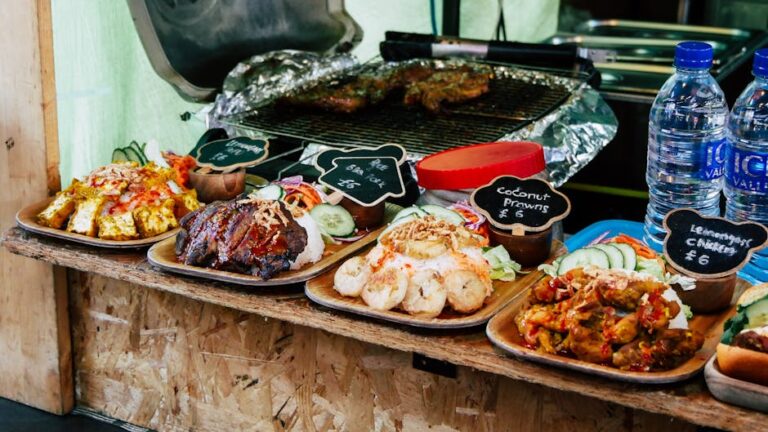
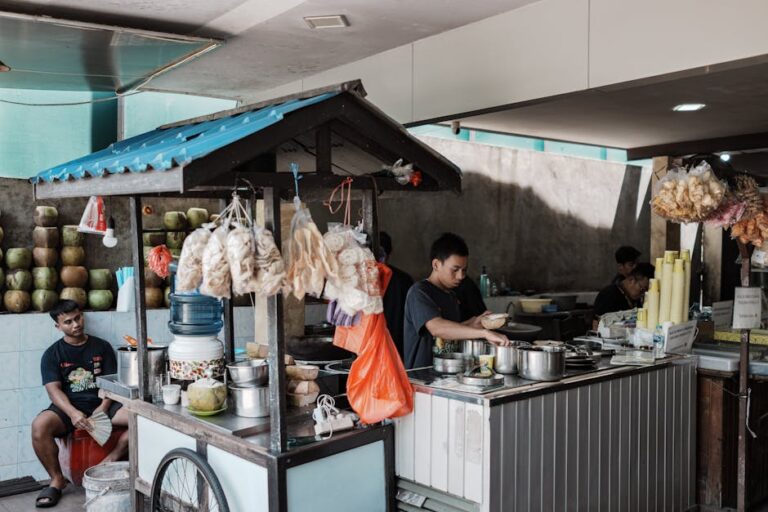
Asia offers some of the world’s most vibrant street food scenes. In Thailand, don’t miss pad krapow (holy basil stir-fry) served with a fried egg and jasmine rice from a sidewalk cart in Bangkok. Vietnam’s bánh mì—a crispy baguette filled with pâté, pickled vegetables, and grilled meat—is best enjoyed at a corner stall in Ho Chi Minh City. For a full sensory immersion, visit a night market like Shilin in Taipei, where you can sample stinky tofu, oyster omelets, and bubble tea all in one evening.
Warning: While street food is generally safe, choose vendors with high turnover and visible cleanliness. Look for stalls where locals are eating—this is a strong indicator of quality and safety.
Europe: Regional Specialties and Market Tours
Europe’s culinary diversity shines through its regional dishes. In Italy, skip the tourist-heavy trattorias and seek out cacio e pepe in a Roman neighborhood trattoria or fresh seafood risotto in a coastal town like Rimini. France offers more than just croissants—try aligot, a rich mashed potato and cheese dish from the Auvergne region, best sampled in a countryside auberge.
Market tours are an excellent way to experience local food culture. In Barcelona, a guided tour of La Boqueria introduces you to jamón ibérico, Catalan cheeses, and seasonal produce. In Lisbon, the Time Out Market features top Portuguese chefs in one location, making it ideal for first-time visitors.
Latin America: Communal Dining and Indigenous Flavors
Latin America blends indigenous, African, and European influences into bold, complex dishes. In Mexico, try mole poblano in Oaxaca—a sauce made with over 20 ingredients including chocolate and chilies—or sample fresh ceviche from a beachside vendor in Tulum. Peru’s culinary scene is equally rich, with lomo saltado (stir-fried beef with tomatoes and fries) and aji de gallina (creamy chicken stew) reflecting its multicultural roots.
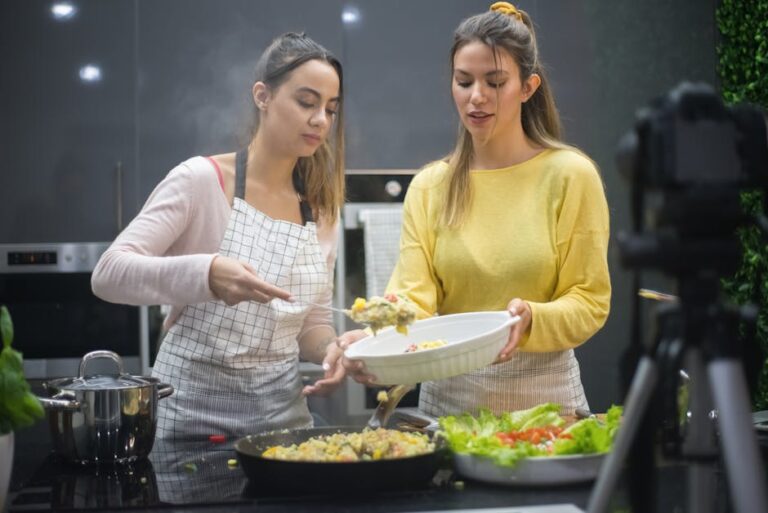
For a deeper experience, join a cooking class. Many include a market visit and hands-on preparation, such as making tamales in Oaxaca or ceviche in Lima. These sessions often end with a shared meal, fostering connection with locals.
Middle East and Africa: Spices, Grains, and Tradition
The Middle East offers aromatic dishes rooted in ancient trade routes. In Lebanon, share a mezze platter with hummus, tabbouleh, and grilled halloumi in Beirut. In Israel, try shakshuka—eggs poached in tomato and pepper sauce—for breakfast in Tel Aviv. Ethiopia’s injera (sourdough flatbread) served with spicy stews like doro wat is traditionally eaten with hands, emphasizing communal dining.
North Africa’s tagines and couscous are best enjoyed in a riad or family home. In Marrakech, consider a dinner invitation through a cultural exchange platform or a small-group experience hosted by a local family.
North America and Oceania: Fusion and Indigenous Cuisine
While often overlooked, North America has emerging food scenes worth exploring. In Canada, try poutine in Montreal or Indigenous-inspired dishes like bannock with wild game in British Columbia. In the U.S., regional specialties like gumbo in New Orleans or deep-dish pizza in Chicago offer distinct local flavors.
Australia and New Zealand highlight native ingredients. In Sydney, sample kangaroo skewers or damper bread at a bush tucker tour. New Zealand’s hangi—food slow-cooked in an earth oven—is a Maori tradition best experienced during a cultural performance.
How to Find Authentic Food Experiences
Finding genuine culinary experiences requires a bit of research and flexibility. Start by asking locals—hotel staff, taxi drivers, or shopkeepers often know hidden gems. Use apps like Google Maps to read recent reviews from travelers and residents alike. Look for places with minimal English signage; if the menu isn’t translated, it’s likely frequented by locals.
Join food tours led by locals. Exploring food experiences abroad reveals important insights. Companies like Devour, Eating Europe, and Context Travel offer small-group walks that focus on authenticity over gimmicks. These tours often include tastings, market visits, and cultural context you won’t get from a guidebook.
Avoid restaurants in heavily tourist areas that display photos of dishes or have staff outside inviting passersby. These are often overpriced and lack authenticity. Instead, wander side streets or residential neighborhoods where locals eat.
Tips for Eating Safely Abroad
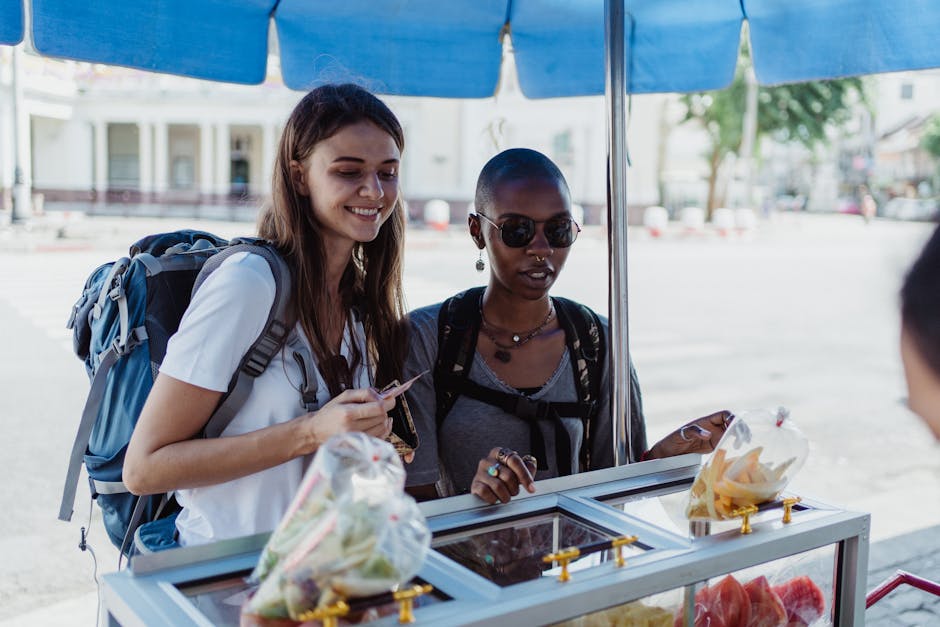
While foodborne illness is rare for most travelers, it’s wise to take precautions. Stick to freshly cooked food served hot. Be cautious with raw vegetables and unpeeled fruits—opt for items you can peel yourself, like bananas or oranges. Drink bottled or purified water, especially in regions with questionable tap water.
If you have dietary restrictions, learn key phrases in the local language. For example, “I am vegetarian” in Spanish is “Soy vegetariano/a,” and in Thai, “Mai sai neua” means “no meat.” Carry a dietary card if you have severe allergies.
Listen to your body. If a dish tastes off or a vendor’s hygiene seems questionable, it’s okay to skip it. Most travelers recover quickly from mild stomach upset, but stay hydrated and seek medical help if symptoms persist.
Cultural Etiquette Around Food
Respect local customs to enhance your experience and show appreciation. In Japan, slurping noodles is a sign of enjoyment. In India, eat with your right hand, as the left is considered unclean. In many Middle Eastern countries, it’s polite to leave a small amount of food on your plate to indicate you’re satisfied.
Tipping practices vary widely. In Europe, rounding up or leaving 5–10% is common. In Japan and South Korea, tipping is not expected and can be seen as rude. Research local norms before your trip.
When invited to a home meal, bring a small gift—fruit, wine, or sweets are usually appreciated. Compliment the host and try everything offered, even if it’s unfamiliar.
Must-Try Dishes Around the World
| Country | Must-Try Dish | Where to Try It |
|---|---|---|
| Thailand | Pad Thai | Street stalls in Bangkok |
| Italy | Risotto alla Milanese | Milanese osterias |
| Mexico | Tlayudas | Oaxaca markets |
| Japan | Takoyaki | Osaka street vendors |
| Turkey | Kebab | Istanbul’s Sultanahmet district |
| India | Masala Dosa | Bangalore cafes |
| France | Coq au Vin | Rural bistros in Burgundy |
Making the Most of Your Food Journey
To truly embrace the best food experiences to try while traveling abroad, stay curious and open-minded. Keep a food journal to record flavors, textures, and stories. Take photos of dishes and vendors—many appreciate the recognition. Share your experiences on social media with location tags to support small businesses.
Consider documenting your journey through a blog or photo essay. Not only does this preserve memories, but it can also inspire others to explore global cuisines. If you discover a standout dish, research its history—many have fascinating origins tied to migration, trade, or colonialism.
Finally, balance indulgence with mindfulness. While it’s tempting to try everything, pace yourself. Focus on quality over quantity, and savor each bite as part of a larger cultural narrative.
Conclusion
The best food experiences to try while traveling abroad are those that connect you deeply with a place and its people. From sizzling street food in Southeast Asia to slow-cooked stews in North Africa, every meal tells a story. By seeking authenticity, respecting local customs, and staying curious, you’ll transform dining from a necessity into one of travel’s greatest pleasures.
FAQ
How can I avoid getting sick from food while traveling?
Choose freshly cooked, hot meals and avoid raw or undercooked items in high-risk areas. Drink bottled water, peel fruits yourself, and prioritize vendors with good hygiene and high customer turnover.
Is it safe to eat street food in foreign countries?
Yes, in most cases. Street food is a staple in many cultures and often safer than restaurant food due to high turnover. Look for busy stalls with local customers and visible cleanliness.
How do I find authentic local restaurants?
Ask locals for recommendations, use Google Maps to find highly rated spots in residential areas, and avoid restaurants with aggressive touts or menus in multiple languages. Joining a local food tour is another reliable option.