Bali Travel Guide: Top Beaches, Resorts and Travel Tips
Bali is one of Southeast Asia’s most beloved destinations, offering a blend of stunning coastlines, luxurious resorts, and rich cultural experiences. Whether you’re planning a romantic getaway, a family vacation, or a solo adventure, this Bali travel guide covers everything you need to know—from the island’s best beaches and top-rated resorts to essential travel tips that will help you navigate the island with confidence.
Why Bali Should Be on Your Travel List
Bali stands out for its diverse landscapes, warm hospitality, and affordability. From the surf-friendly shores of Uluwatu to the serene rice terraces of Ubud, the island delivers a mix of relaxation, adventure, and cultural immersion. It’s also well-connected, with Ngurah Rai International Airport serving direct flights from major cities across Asia, Australia, and beyond.
Travelers consistently praise Bali for its balance of natural beauty and modern comfort. Unlike some tropical destinations that cater only to luxury or backpackers, Bali offers options across all budgets. You can stay in a $30-a-night guesthouse in Canggu or book a five-star villa in Seminyak with private pools and ocean views.
Top Beaches in Bali
Bali’s coastline stretches over 500 kilometers, offering a wide range of beach experiences. Whether you’re looking for world-class surfing, quiet coves for sunbathing, or lively beach clubs, there’s a stretch of sand to match your mood.
1. Kuta Beach
Once the island’s most famous beach, Kuta remains a hub for budget travelers and surfers. The wide, sandy shoreline is ideal for catching waves, especially during the dry season from April to October. While it can get crowded and the water quality isn’t always pristine, Kuta’s vibrant nightlife and proximity to shops and restaurants make it a convenient base for first-time visitors.
2. Seminyak Beach
Just north of Kuta, Seminyak offers a more upscale beach experience. The sand is cleaner, the crowds are thinner, and the beachfront is lined with chic cafes, boutique hotels, and high-end restaurants. Seminyak Beach is perfect for sunset walks and people-watching. It’s also a great spot for beginner surfers, with consistent but manageable waves.
3. Nusa Dua Beach
For travelers seeking tranquility and luxury, Nusa Dua delivers. This gated beachfront area is home to some of Bali’s most exclusive resorts, with manicured lawns, private beach access, and calm waters ideal for swimming. The sand is soft and white, and the area is well-maintained, making it a top choice for families and honeymooners.
4. Padang Padang Beach
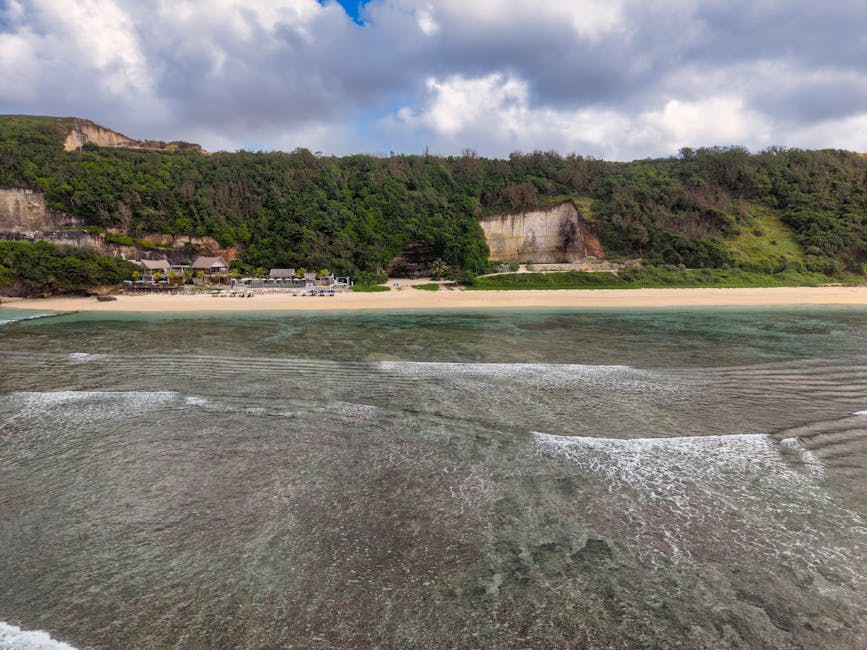
Tucked between limestone cliffs, Padang Padang is a small but stunning cove that gained fame as a filming location for the movie Eat Pray Love. Access involves a short but steep staircase, but the effort pays off with crystal-clear water and a peaceful atmosphere. It’s a favorite among surfers and photographers, especially in the early morning.</n
5. Bingin Beach
A short drive from Uluwatu, Bingin Beach is a surfer’s paradise with powerful reef breaks and dramatic cliffside views. The beach itself is rocky in parts, so it’s less ideal for sunbathing, but the surrounding warungs (local eateries) and eco-friendly accommodations make it a great spot for a laid-back stay. Be cautious of strong currents if you’re not an experienced swimmer.
6. Lovina Beach (North Bali)
Unlike the southern beaches, Lovina in North Bali is known for its black volcanic sand and calm waters. It’s one of the few places in Bali where you can swim safely in the ocean year-round. Lovina is also famous for its early-morning dolphin-watching tours, which depart at sunrise and offer a peaceful alternative to the busier southern coast.
7. Sanur Beach
Sanur is a quieter, more residential beach area on Bali’s east coast. The long, flat stretch of sand is perfect for jogging, cycling, or simply relaxing under a parasol. The offshore reef protects the shoreline, creating gentle waves ideal for paddleboarding and kayaking. Sanur is also a gateway to the nearby island of Nusa Penida.
Best Resorts in Bali
Bali’s resort scene is as diverse as its beaches. From cliff-top villas to eco-lodges nestled in the jungle, there’s a property to suit every traveler’s style and budget. Below are some of the most highly rated resorts across different regions.
Luxury Resorts
- The Mulia, Nusa Dua – A beachfront resort with multiple pools, fine dining, and a private stretch of sand. Ideal for weddings and special occasions.
- Four Seasons Resort Bali at Jimbaran Bay – Perched on a hillside with panoramic ocean views, this resort offers traditional Balinese architecture, spa services, and a tranquil atmosphere.
- Amankila, East Bali – A secluded retreat with tiered pools cascading toward the sea. Known for its minimalist design and exceptional service.
Boutique & Mid-Range Resorts
- The Legian Seminyak – A stylish beachfront property with spacious suites, a rooftop bar, and direct access to Seminyak Beach.</n
- COMO Shambhala Estate, Ubud – A wellness-focused retreat set in the jungle, offering yoga, detox programs, and personalized spa treatments.</n
- Uluwatu Surf Villas – A collection of eco-friendly villas near Bingin Beach, perfect for surfers and digital nomads.
Budget-Friendly Stays
- Puri Garden Hotel & Hostel, Ubud – A social hostel with private rooms, a pool, and a popular bar. Great for solo travelers.</n
- The Farm Hostel, Canggu – A trendy, eco-conscious hostel with co-working spaces and daily events.
- Bambu Indah, Ubud – A unique glamping experience with restored antique Javanese houses and natural swimming pools.</n
When choosing a resort, consider location, amenities, and proximity to attractions. Resorts in Seminyak and Nusa Dua offer convenience and luxury, while those in Uluwatu and Ubud provide a more immersive cultural or natural experience.
Essential Travel Tips for Bali
To make the most of your trip, keep these practical tips in mind. They’ll help you avoid common pitfalls and enjoy a smoother, more enjoyable experience.
1. Best Time to Visit
The dry season from April to October is the most popular time to visit Bali, with sunny skies and minimal rainfall. However, this is also peak tourist season, so expect higher prices and larger crowds. The wet season (November to March) brings afternoon showers but fewer tourists and lower rates. If you’re flexible, consider traveling in April or October—shoulder months with good weather and fewer people.
2. Getting Around
Bali’s public transportation is limited, so most travelers rely on private drivers, scooters, or ride-hailing apps like Grab. Renting a scooter is affordable (around $5–$7 per day) and convenient, but only if you’re comfortable driving in heavy traffic and have an international driving permit. For longer trips or group travel, hiring a driver for the day (approximately $35–$50) is a stress-free option.
3. Currency and Payments
The Indonesian rupiah (IDR) is the local currency. While many hotels and restaurants accept credit cards, cash is still king—especially in rural areas and local markets. ATMs are widely available in cities and tourist areas. Always carry small denominations, as change can be an issue.
4. Cultural Etiquette
Bali is predominantly Hindu, and respect for local customs goes a long way. Dress modestly when visiting temples—cover your shoulders and wear a sarong (often provided at temple entrances). Avoid public displays of affection, and never touch someone’s head, as it’s considered sacred. When entering a home or temple, remove your shoes.
5. Health and Safety
Tap water in Bali is not safe to drink. Stick to bottled water and avoid ice in drinks unless you’re confident it’s made from purified water. Use mosquito repellent, especially in rural areas, to reduce the risk of dengue fever. Travel insurance is highly recommended, as medical facilities outside major cities may be limited.
6. Environmental Responsibility
Bali faces environmental challenges, including plastic pollution and water scarcity. Help by using reef-safe sunscreen, carrying a reusable water bottle, and avoiding single-use plastics. Support eco-friendly businesses and participate in beach cleanups if possible.
Must-Visit Attractions Beyond the Beaches
While Bali’s beaches are a major draw, the island offers much more to explore. Here are a few top attractions that complement any beach-focused itinerary.
- Tegallalang Rice Terraces (Ubud) – Iconic stepped rice fields with stunning viewpoints and nearby cafes serving local coffee.
- Uluwatu Temple – A cliff-top temple with panoramic ocean views and a traditional Kecak fire dance at sunset.
- Sacred Monkey Forest Sanctuary (Ubud) – A lush forest home to hundreds of long-tailed macaques and ancient temples.
- Gitgit Waterfall (North Bali) – A 40-meter waterfall surrounded by tropical greenery, accessible via a short hike.
- Mount Batur Sunrise Trek – A popular early-morning hike to the summit of an active volcano, followed by a traditional breakfast cooked using geothermal heat.
Food and Drink in Bali
Bali’s culinary scene blends traditional Indonesian flavors with international influences. Don’t leave without trying these local favorites:
- Nasi Goreng – Indonesian fried rice, often served with a fried egg and prawn crackers.
- Babi Guling – Slow-roasted suckling pig, a Balinese specialty best sampled at Ibu Oka in Ubud.
- Bebek Betutu – Spiced duck wrapped in banana leaves and slow-cooked underground.
- Fresh Fruit and Smoothie Bowls – Widely available at beachside cafes, often topped with granola and local honey.
- Kopi Luwak – The world’s most expensive coffee, made from beans digested by civets. Try it with caution—ethical concerns exist around its production.
Street food is safe and delicious in tourist areas, but choose stalls with high turnover and avoid raw vegetables that may have been washed in tap water.
Packing Essentials for Bali
Pack light but smart. Here’s a checklist of essentials:
- Lightweight, breathable clothing (cotton and linen work best)
- Sarong or scarf (for temple visits)
- Sunscreen (reef-safe, SPF 30+)
- Insect repellent with DEET
- Reusable water bottle with filter
- Waterproof phone case or dry bag
- Power adapter (Indonesia uses Type C and F plugs, 230V)
- First-aid kit with antiseptic and anti-diarrheal medication
Final Thoughts on Your Bali Travel Guide
Bali offers something for every type of traveler. Whether you’re drawn to its golden beaches, world-class resorts, or spiritual retreats, the island delivers a memorable experience. By planning ahead, respecting local culture, and staying mindful of your environmental impact, you’ll enjoy a trip that’s both enjoyable and responsible.
Use this Bali travel guide as your starting point, but don’t be afraid to wander off the beaten path. Some of the best moments happen when you follow a local recommendation, strike up a conversation at a warung, or simply sit quietly and watch the sunset over the Indian Ocean.
FAQ
Is Bali safe for solo travelers?
Yes, Bali is generally safe for solo travelers, including women. As with any destination, stay aware of your surroundings, avoid walking alone at night in isolated areas, and use trusted transportation.
Do I need a visa to visit Bali?
Citizens of over 160 countries, including the U.S., UK, Canada, and Australia, can enter Bali visa-free for up to 30 days. Extensions are not permitted on this visa, so plan accordingly.
Can I drink the tap water in Bali?
No, tap water in Bali is not safe to drink. Always use bottled or filtered water, and avoid ice in drinks unless you’re sure it’s made from purified sources.