Best Street Foods to Try in Global Travel Destinations
Exploring a new city through its street food is one of the most authentic ways to experience local culture. The best street foods to try in global travel destinations offer bold flavors, regional ingredients, and time-honored recipes passed down through generations. Whether you’re wandering through bustling night markets in Bangkok, sampling empanadas in Buenos Aires, or biting into a warm arepa in Medellín, street food delivers unforgettable culinary moments. This guide highlights standout dishes from cities around the world, helping travelers make informed, delicious choices while staying safe and respectful of local customs.
Why Street Food Defines a Destination’s Flavor
Street food is more than just affordable eats—it’s a window into a region’s history, agriculture, and daily life. Unlike restaurant meals that may cater to tourists, street vendors often serve what locals truly love. In many countries, these dishes have evolved over centuries, shaped by trade routes, climate, and cultural exchange. For example, the use of spices in Indian chaat or the corn-based staples in Mexican antojitos reflect deep-rooted traditions. Trying street food allows travelers to taste a place in its most unfiltered form.
Top Street Foods by Region
Asia: Bold, Aromatic, and Unmissable
Asia is arguably the street food capital of the world, with vibrant markets and complex flavor profiles.
- Pad Thai – Bangkok, Thailand: Stir-fried rice noodles with shrimp, tofu, eggs, and tamarind sauce, topped with crushed peanuts and lime. Best enjoyed at Thipsamai, a decades-old institution near Chinatown.
- Takoyaki – Osaka, Japan: Savory ball-shaped snacks filled with diced octopus, tempura scraps, and green onion, cooked in a special molded pan and drizzled with sauce and bonito flakes.
- Banh Mi – Ho Chi Minh City, Vietnam: A French-Vietnamese fusion sandwich with a crispy baguette, pâté, mayonnaise, pickled vegetables, cilantro, and grilled meat or tofu.
- Chaat – Delhi, India: A tangy, spicy snack made with fried dough, potatoes, chickpeas, yogurt, and chutneys. Try it at Natraj Chaat Bhandar for an authentic experience.
Europe: Simple Ingredients, Big Flavors
European street food often emphasizes quality over complexity, with regional specialties shining through.
- Bratwurst – Berlin, Germany: Grilled pork sausage served in a bun with mustard and sauerkraut. Currywurst—sliced sausage with curry ketchup—is a must-try local twist.
- Churros con Chocolate – Madrid, Spain: Fried dough sticks dusted with sugar, best dipped in thick, rich hot chocolate. San Ginés is a legendary 24-hour spot near Puerta del Sol.
- Arancini – Palermo, Italy: Golden-fried rice balls stuffed with ragù, mozzarella, and peas, originally from Sicily but now popular across Italy.
- Kouign-amann – Brittany, France: A buttery, caramelized pastry that’s crisp on the outside and soft within. Best sampled warm from a local boulangerie.
The Americas: Fusion, Fire, and Flavor
From North to South America, street food reflects a blend of indigenous, colonial, and immigrant influences.
- Tacos al Pastor – Mexico City, Mexico: Marinated pork cooked on a vertical spit, served on small corn tortillas with pineapple, onion, and cilantro. El Huequito is a favorite among locals.
- Poutine – Montreal, Canada: French fries topped with cheese curds and rich gravy. While available across Canada, Montreal’s versions are particularly hearty and authentic.
- Arepas – Bogotá and Medellín, Colombia: Grilled corn cakes split and stuffed with cheese, meat, beans, or avocado. Try them at a local arepería for the freshest experience.
- Empanadas – Buenos Aires, Argentina: Flaky pastries filled with seasoned beef, chicken, or cheese. Corner bakeries (panaderías) often sell them warm throughout the day.
Africa and the Middle East: Spices, Grills, and Tradition
Street food in this region often features bold spices, grilled meats, and communal eating styles.
- Falafel – Jerusalem, Israel: Deep-fried chickpea balls served in pita with tahini, salad, and pickles. Abu Hassan in the Old City is renowned for its version.
- Suya – Lagos, Nigeria: Skewered, spicy grilled beef coated in a peanut-based spice mix (yaji). Best enjoyed at night markets or roadside stalls.
- Tagine – Marrakech, Morocco: Slow-cooked stews of meat, vegetables, and dried fruits, often sold in clay pots at Jemaa el-Fnaa square after sunset.
- Koshari – Cairo, Egypt: A hearty mix of rice, lentils, pasta, chickpeas, and tomato sauce, topped with fried onions. Abou Tarek is a popular spot in downtown Cairo.
How to Choose Safe and Authentic Street Food
While street food is generally safe, especially in high-traffic tourist areas, a few precautions can prevent stomach issues.
- Observe the crowd: Vendors with long lines of locals are usually a good sign—high turnover means fresh ingredients.
- Eat where food is cooked to order: Avoid pre-made items sitting out for hours. Hot, freshly prepared food is safer.
- Check cleanliness: Look for clean cooking surfaces, gloves or utensils used by the vendor, and proper waste disposal.
- Drink bottled water: Even if locals drink tap water, visitors may have sensitive stomachs. Avoid ice in drinks unless you’re sure it’s made from purified water.
- Start slow: Introduce new spices and ingredients gradually to avoid digestive discomfort.
Cultural Etiquette When Eating Street Food
Respect enhances the experience—both for you and the local community.
- Learn basic phrases: Saying “thank you” in the local language (e.g., “gracias,” “merci,” “shukran”) goes a long way.
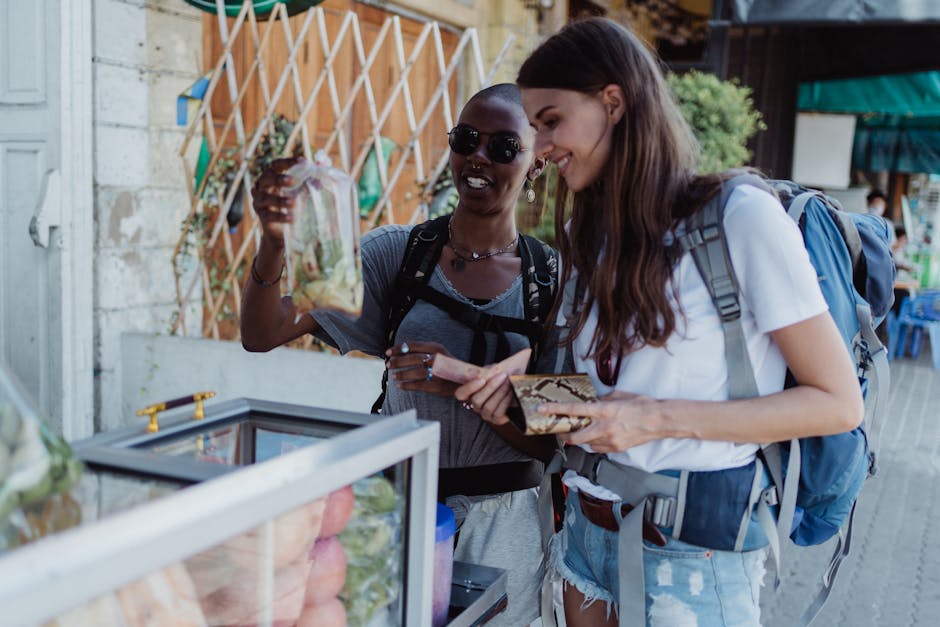
- Use cash: Most street vendors don’t accept cards. Carry small bills to avoid holding up the line.
- Don’t expect seating: Many street food spots are designed for standing or eating on the go. Be prepared to eat while walking or leaning against a wall.
- Respect local customs: In some countries, eating with your hands is normal. In others, utensils are expected. Observe what others do.
- Tipping: Tipping isn’t always customary. In Southeast Asia and parts of Latin America, it’s appreciated but not required. In the Middle East, rounding up is common.
Street Food Tours: A Smart Way to Explore
For first-time visitors or those hesitant to navigate street food alone, guided tours offer a safe and educational alternative. Companies like Devour, Eating Europe, and Local Aromas operate in major cities and provide small-group walks with tastings at multiple vendors. These tours often include historical context, ingredient explanations, and access to hidden gems not listed in guidebooks. While slightly more expensive than eating solo, they reduce the risk of foodborne illness and deepen cultural understanding.
Budget Tips for Street Food Travelers
One of the biggest advantages of street food is affordability. A full meal often costs between $2 and $8 in most countries. To stretch your budget:
- Eat like a local—avoid tourist-heavy areas where prices are inflated.
- Share dishes with travel companions to sample more varieties.
- Visit markets early in the morning or late at night for the best selection and prices.
- Carry a reusable water bottle with a filter to save money and reduce plastic waste.
Seasonal and Regional Variations to Watch For
Street food menus often change with the seasons. In Japan, for example, yakisoba is popular year-round, but winter brings warm oden stews. In Mexico, tamales are especially common during December holidays. Researching local festivals or seasonal ingredients before your trip can lead to unique culinary discoveries. Apps like Google Maps and HappyCow can help identify seasonal specialties and highly rated vendors.
Final Thoughts: Embrace the Adventure
The best street foods to try in global travel destinations aren’t just about taste—they’re about connection. Each bite tells a story of migration, adaptation, and community. While it’s easy to stick to familiar foods, stepping out of your comfort zone often leads to the most memorable travel moments. With a little caution and curiosity, street food can become the highlight of your journey.
FAQ
Is street food safe to eat while traveling?
Generally, yes—especially in busy areas with high turnover. Choose vendors who cook food fresh, use gloves or utensils, and maintain clean workspaces. Avoid raw salads or unpeeled fruits if you’re unsure about water quality.
How much should I budget for street food per day?
Depending on the country, $10–$20 per day is sufficient for multiple meals and snacks. In cities like Bangkok or Mexico City, you can eat well for under $15. In European capitals, expect to spend closer to $20–$25.
Can I find vegetarian or vegan street food options abroad?
Absolutely. Many regions offer plant-based street food, such as falafel in the Middle East, dosas in India, or arepas with cheese and avocado in Colombia. Look for stalls with visible vegetable options or ask locals for recommendations.